
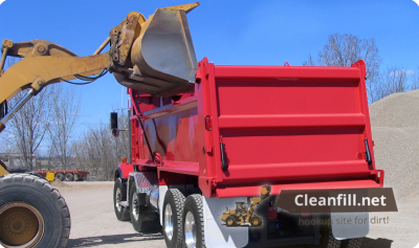
When your construction project generates excess dirt or you need quality fill material delivered, finding the right dirt hauling services near you can make or break your timeline and budget. After two decades in the excavation and materials industry, I've seen contractors waste thousands of dollars and weeks of project time by choosing the wrong hauling partner. The key is understanding what separates professional dirt haulers from fly-by-night operators who leave you with contaminated soil, missed deadlines, and regulatory headaches.
Understanding Professional Dirt Hauling Services
Professional dirt hauling encompasses far more than loading trucks and driving to a destination. Licensed dirt haulers provide comprehensive soil management services including excavation, transportation, testing, and proper disposal or reuse of materials according to EPA RCRA guidelines and state environmental regulations.
Types of Dirt Hauling Services
- Clean fill removal: Hauling uncontaminated soil from construction sites to approved reuse locations
- Contaminated soil disposal: Transport to licensed treatment facilities following DOT hazmat protocols
- Import hauling: Delivering quality fill dirt, topsoil, or engineered fill to your project site
- Balancing operations: Moving excess material between cut and fill areas within large projects
The difference between a $45 per load operation and a $180 per load professional service often comes down to proper licensing, insurance coverage, and adherence to environmental regulations that protect your project from future liability.
Regulatory Compliance Requirements
Legitimate dirt haulers must comply with multiple regulatory frameworks. Under EPA RCRA Subtitle D, all soil movement requires proper characterization and documentation. State Department of Environmental Quality (DEQ) regulations vary significantly—California's strict contamination thresholds differ dramatically from Texas or Florida requirements.
Cost Factors and Pricing Structure
Dirt hauling costs vary dramatically based on material type, distance, local regulations, and seasonal demand. Understanding these factors helps you budget accurately and negotiate fair pricing with contractors.
| Service Type | Price Range | Unit | Factors |
|---|---|---|---|
| Local clean fill removal | $8-15 | Per cubic yard | Distance under 10 miles |
| Regional hauling | $18-35 | Per cubic yard | 10-50 mile radius |
| Contaminated soil disposal | $65-150 | Per cubic yard | Treatment facility fees |
| Import delivery | $12-28 | Per cubic yard | Material quality and source |
Geographic Pricing Variations
Regional cost differences reflect local disposal capacity, fuel costs, and regulatory complexity. Urban markets like Los Angeles or New York typically see 40-60% higher rates than rural areas due to limited disposal sites and stricter permitting requirements.
- Northeast corridor: $22-45 per cubic yard average
- Southeast markets: $12-28 per cubic yard average
- Southwest regions: $15-32 per cubic yard average
- Pacific Northwest: $18-38 per cubic yard average
Seasonal Pricing Fluctuations
Dirt hauling demand peaks during spring and summer construction seasons, driving prices up 20-30% between March and September. Smart project managers schedule hauling operations during winter months when possible, securing rates 15-25% below peak pricing.
Finding and Vetting Qualified Contractors
The explosion of online marketplaces has made finding dirt haulers easier, but separating qualified professionals from unlicensed operators requires careful evaluation. Start with contractors who maintain proper business licensing, commercial vehicle permits, and comprehensive liability coverage.
Essential Contractor Qualifications
Professional dirt haulers should possess multiple credentials and certifications. Commercial Driver's License (CDL) requirements vary by truck size, but any operation running vehicles over 26,000 GVWR needs proper licensing. Additionally, legitimate contractors carry:
- General contractor or excavation licenses (state-specific requirements)
- Commercial auto insurance with minimum $1 million coverage
- Environmental liability insurance for contamination incidents
- Workers' compensation coverage for employee protection
- DOT numbers and safety ratings for interstate operations
Red Flags to Avoid
Certain warning signs indicate potential problems with dirt hauling contractors. Cash-only operations often lack proper licensing and insurance. Contractors who cannot provide disposal site documentation may be illegally dumping material, exposing your project to environmental liability.
Other concerning indicators include lack of permanent business address, inability to provide references from recent projects, and reluctance to discuss regulatory compliance procedures.
Sustainable Hauling Practices and Environmental Impact
Modern dirt hauling emphasizes sustainability through material reuse, carbon footprint reduction, and circular economy principles. The construction industry generates over 500 million tons of construction and demolition waste annually, making responsible soil management critical for environmental stewardship.
Clean Fill Reuse Programs
Progressive hauling contractors participate in clean fill exchange networks that match excess soil from one project with fill needs at another site. This approach reduces disposal costs, minimizes environmental impact, and supports local construction projects. Clean Fill Network facilitates these beneficial reuse connections across North America.
Successful reuse programs require proper soil characterization following ASTM D2487 classification standards. Materials must meet receiving site specifications for grain size distribution, plasticity index, and contamination levels. Professional haulers coordinate testing and documentation to ensure regulatory compliance.
Carbon Footprint Reduction Strategies
Transportation typically represents 60-70% of dirt hauling's environmental impact. Leading contractors implement several strategies to minimize carbon emissions:
- Route optimization software reduces fuel consumption by 12-18%
- High-capacity vehicles decrease trips per cubic yard moved
- Regional sourcing minimizes transportation distances
- Backhaul coordination eliminates empty return trips
These practices not only benefit the environment but often reduce project costs through improved efficiency and fuel savings.
Project Planning and Logistics Coordination
Successful dirt hauling operations require careful coordination between site conditions, hauling capacity, and disposal or delivery schedules. Poor planning leads to equipment delays, cost overruns, and regulatory violations that can shut down entire projects.
Site Access and Safety Requirements
Hauling contractors must evaluate site access conditions before committing to projects. Standard tri-axle dump trucks require 14-foot width clearances and turning radii of 45-50 feet. Sites with overhead restrictions below 14 feet may require specialized low-profile equipment at premium rates.
OSHA regulations mandate specific safety protocols for hauling operations. 29 CFR 1926 Subpart P covers excavation safety, while vehicle operation standards appear in multiple sections. Professional contractors maintain safety programs including daily equipment inspections, driver training, and incident reporting procedures.
Scheduling and Weather Considerations
Weather conditions significantly impact hauling efficiency and costs. Wet weather restrictions vary by jurisdiction but commonly prohibit hauling when soil moisture creates rutting or tracking concerns. Smart contractors monitor weather forecasts and adjust schedules to minimize weather-related delays.
Coordinating hauling schedules with other site activities prevents conflicts between excavation equipment and truck traffic. Peak efficiency occurs when excavators can load trucks continuously without waiting for equipment positioning or traffic clearance.
Quality Assurance and Regulatory Compliance
Professional dirt hauling requires comprehensive quality assurance programs covering material characterization, transportation documentation, and disposal verification. These systems protect clients from regulatory violations while ensuring environmental stewardship.
Material Testing and Documentation
Proper soil characterization begins with representative sampling following EPA SW-846 protocols. Professional haulers coordinate testing for standard parameters including volatile organic compounds (VOCs), semi-volatile organic compounds (SVOCs), metals, and petroleum hydrocarbons. Testing costs typically range from $150-400 per composite sample depending on analytical requirements.
Documentation requirements vary by state but generally include:
- Waste characterization profiles with analytical data
- Manifests or bills of lading for transportation tracking
- Disposal facility acceptance letters confirming material approval
- Weight tickets and volume calculations for billing verification
Disposal Site Requirements
Legitimate disposal facilities maintain permits under state solid waste regulations and often federal programs. Subtitle D landfills accept only non-hazardous materials, while more restrictive clean fill operations may require contamination levels below residential screening criteria.
Facility acceptance procedures typically involve pre-approval based on analytical data, followed by field screening of incoming loads. Rejected materials create significant cost and schedule impacts, making proper characterization essential.
Maximizing Value and Avoiding Common Pitfalls
Experienced project managers implement specific strategies to control hauling costs while ensuring regulatory compliance and schedule adherence. Understanding common pitfalls helps avoid expensive mistakes that can double project costs.
Contract Negotiation Strategies
Effective dirt hauling contracts address pricing structure, performance standards, and risk allocation. Unit pricing works well for projects with variable quantities, while lump-sum contracts suit well-defined scopes. Always include provisions for material testing, disposal facility changes, and weather delays.
Price escalation clauses become critical for long-term projects. Fuel adjustment mechanisms protect both parties from dramatic price swings, while labor escalation provisions account for changing wage rates in tight labor markets.
Performance Monitoring and Quality Control
Regular performance monitoring prevents small problems from becoming major issues. Key performance indicators include:
- Truck cycle times and daily production rates
- Load accuracy and weight ticket verification
- Safety incident rates and near-miss reporting
- Documentation completeness and regulatory compliance
Poor communication between site crews and hauling contractors often creates bottlenecks and delays. Daily coordination meetings during active hauling phases prevent scheduling conflicts and ensure continuous production flow.
Ready to Connect with Verified Dirt Hauling Professionals?
Clean Fill Network connects you with licensed, insured dirt hauling contractors across North America who specialize in sustainable material management.
Find Qualified Haulers Near You →