
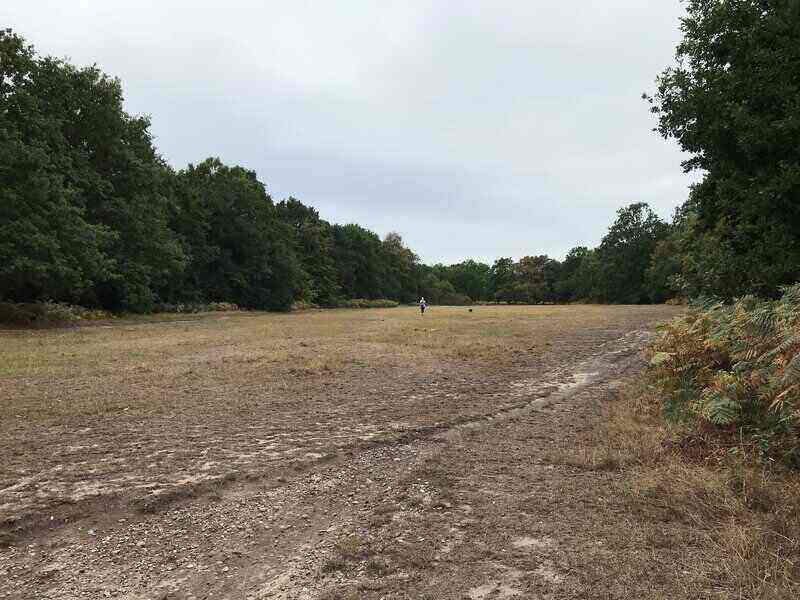
When you're staring at a wooded lot or overgrown property, one of the first questions that hits you is: what's this going to cost to clear? After two decades in the excavation business, I've cleared everything from half-acre residential lots to 500-acre commercial developments, and I can tell you the price range is wider than most people expect. Land clearing costs typically run anywhere from $1,500 to $5,000 per acre, but I've seen projects go as low as $500 per acre for light brush removal and as high as $15,000 per acre for heavily forested terrain with large hardwoods and challenging access.
Key Factors That Drive Land Clearing Costs
The biggest mistake I see property owners make is assuming all land clearing is the same. The difference between clearing a pasture with scattered brush and tackling a mature oak forest is like comparing a Honda Civic to a dump truck – they're both vehicles, but that's where the similarity ends.
Vegetation Type and Density
Your vegetation type is the single biggest cost driver. Here's what I typically charge based on what we're dealing with:
- Light brush and saplings (under 6 inches): $500-$2,000 per acre
- Mixed brush with trees 6-12 inches: $1,500-$3,500 per acre
- Mature hardwood forest (12+ inch trees): $3,000-$8,000 per acre
- Dense forest with large timber: $5,000-$15,000 per acre
Pine trees are generally cheaper to clear than hardwoods because they're softer and process faster. Hardwoods like oak, maple, and hickory take more time and wear harder on equipment.
Terrain and Accessibility
Steep slopes, wet ground, and poor access can double your costs. I charge a 25-50% premium for slopes over 15 degrees, and if I can't get my big equipment to the site, we're looking at smaller machines that work slower and cost more per hour to operate.
Land Clearing Methods and Their Cost Impact
The method you choose dramatically affects your bottom line. Each approach has its place depending on your timeline, budget, and end goals.
Mechanical Clearing
This is my bread and butter – using bulldozers, excavators, and forestry mulchers to get the job done fast. Mechanical clearing typically runs $1,500-$4,000 per acre and can clear 1-3 acres per day depending on conditions.
| Equipment Type | Hourly Rate | Acres/Day | Best For |
|---|---|---|---|
| Bulldozer (D6-D8) | $150-$250 | 2-4 acres | Push clearing, root removal |
| Forestry Mulcher | $200-$350 | 1-2 acres | In-place mulching, fire breaks |
| Excavator | $125-$200 | 1-3 acres | Selective clearing, stump removal |
Hand Clearing
For environmentally sensitive areas or where you need surgical precision, hand clearing with chainsaws and manual tools runs $3,000-$10,000 per acre. It's slow but gives you complete control over what stays and what goes.
Chemical Clearing
Herbicide applications are the cheapest upfront at $300-$800 per acre, but you're looking at 1-2 years for complete die-off, plus additional costs for debris removal later.
Regional Cost Variations Across North America
Location makes a huge difference in pricing. Labor costs, equipment availability, and local regulations all factor into what you'll pay.
High-Cost Regions
In the Northeast, California, and urban areas across Canada, expect to pay 20-40% above national averages. I've bid jobs in Connecticut and Massachusetts where basic clearing hits $6,000-$8,000 per acre due to high labor costs and strict environmental regulations.
Moderate-Cost Regions
The Midwest, Mid-Atlantic, and most of Canada fall into the $1,500-$4,000 per acre range for standard clearing. Equipment is readily available, and you've got good competition among contractors.
Lower-Cost Regions
The Southeast and parts of Texas can be 15-25% below national averages, especially in rural areas where land clearing is common and contractors stay busy.
Hidden Costs and Additional Services
The base clearing price is just the starting point. Here are the additional costs that catch property owners off guard:
Permits and Environmental Compliance
Depending on your location, you might need:
- Tree removal permits: $100-$500 in urban areas
- Environmental assessments: $1,500-$5,000 for wetland delineation
- Erosion control plans: $500-$2,000 for slopes or waterfront properties
Always check with your local planning department before starting. EPA regulations under the Clean Water Act can shut down your project if you impact wetlands without proper permits.
Debris Disposal
What happens to all that wood and brush? Your options are:
- On-site burning: $200-$500 (where permitted)
- Chipping and mulching: $300-$800 per acre
- Hauling to landfill: $1,000-$3,000 per acre
- Timber sales: Can offset $500-$2,000 per acre if you have marketable timber
Site Preparation
Raw cleared land usually needs additional work:
- Stump grinding: $75-$150 per stump
- Grading and leveling: $1,200-$3,500 per acre
- Topsoil replacement: $500-$1,500 per acre
- Seeding or sodding: $300-$1,200 per acre
How Seasonal Timing Affects Your Costs
Timing your clearing project can save you serious money. I've seen 30% cost swings based purely on when the work gets done.
Winter Clearing (December-February)
This is prime time for land clearing in most regions. Frozen ground supports heavy equipment better, contractors have more availability, and you'll often get 10-20% discounts compared to peak season pricing.
Spring Rush (March-May)
Everyone wants to clear land in spring for summer construction. Prices hit their peak, and good contractors are booked solid. Expect to pay full rate and wait 4-8 weeks for scheduling.
Summer and Fall
Mid-season pricing is generally at market rates, but wet weather can delay projects and drive up costs. Late fall can offer good deals as contractors look to keep crews busy before winter.
Proven Strategies to Reduce Land Clearing Costs
After clearing thousands of acres, I've learned every trick in the book for keeping costs down without cutting corners on quality.
Timber Harvesting First
If you have marketable timber, harvest it before clearing. A good timber sale can generate $1,000-$5,000 per acre in revenue, dramatically reducing your net clearing costs. Work with a consulting forester to maximize timber value.
Phased Clearing
Clear only what you need immediately. Clearing 5 acres now instead of 20 acres saves money upfront and lets you spread costs over time. Plus, undisturbed areas help with erosion control during construction.
Multiple Service Bundling
If you need clearing, grading, and site prep, bundling services with one contractor typically saves 15-25% compared to hiring separate specialists.
Flexible Scheduling
Give contractors flexibility on timing, and they'll often discount the work to fill gaps in their schedule. "Anytime in the next 60 days" pricing beats "must start Monday" every time.
Getting Accurate Quotes and Avoiding Common Pitfalls
The difference between a good land clearing job and a nightmare often comes down to the homework you do upfront.
Site Survey Essentials
Before any contractor sets foot on your property, you need to know:
- Exact acreage to be cleared (survey stakes help)
- Property lines and setback requirements
- Underground utilities location (call 811 first)
- Wetlands or protected areas
- Access routes for equipment
Quote Comparison Checklist
Make sure every quote includes:
- Per-acre pricing breakdown
- Equipment types and sizes
- Debris disposal methods and costs
- Timeline and weather delay policies
- Insurance and bonding information
- Permit responsibility (yours or theirs)
Red Flags to Avoid
Watch out for contractors who:
- Give quotes without visiting the site
- Require large payments upfront
- Can't provide local references
- Don't carry adequate liability insurance
- Promise unrealistic timelines
Ready to Start Your Land Clearing Project?
Clean Fill Network connects you with verified suppliers and contractors across North America.
Find Fill Material and Services Near You →